A Glimpse Into The Past
Explore the lives of those who lived and worked within these walls and uncover the story of the hospital's construction and evolution. Delve into the history and discover the human stories behind the Hospital for the Incurably Insane.
Being Self-Sufficient
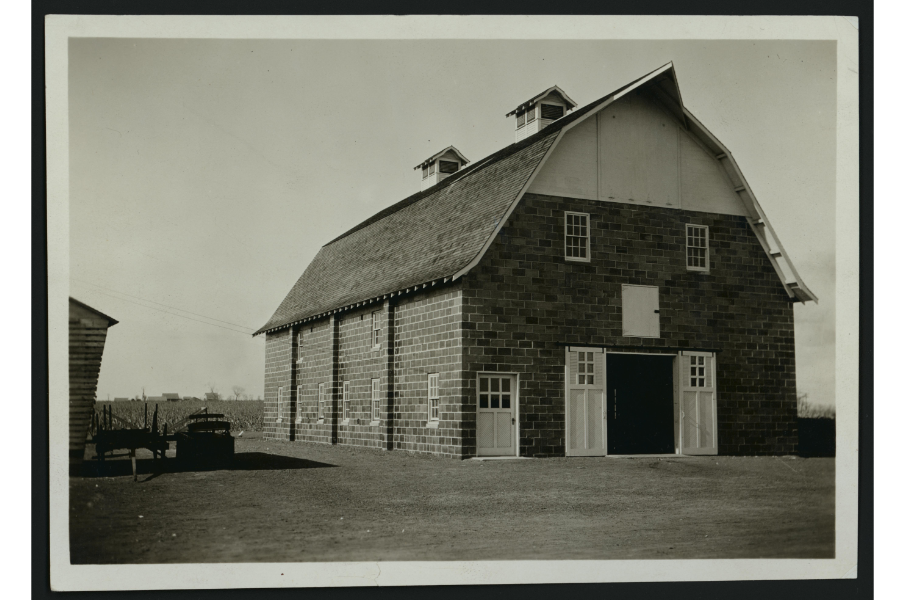
In 1904, an amusement hall was constructed to host dances and entertainment events for patients. Around the same time, a farm cottage and two greenhouses were also established. By 1914, a large dairy barn was added, and a herd of Holstein cows was milked daily. In 1926, a medical and surgical building was erected, followed by the construction of a psychiatric hospital in 1938. Later, in 1957, the All Faiths Chapel was built, this was funded by contributions from thousands of donors around the area.
Patients played a significant role in maintaining the farm and dairy operations. The local Hastings newspaper reported on the hospital's agricultural operations, including the fall harvest totals. In 1929, the reported livestock population included 125 turkeys, 3,000 chickens, 400 ducks, 400 hogs, 300 pigs, and a full dairy herd. They had a coal-fired power plant, and the steam was used to give electricity to the grounds. An important aspect of these additions was to be able to make the hospital self-sufficient.
In 1905, a post office named "Ingleside" was established on the hospital grounds. Initially, hospital superintendents served as postmasters until 1913, when Percy Jones became the first civil service postmaster.
(The Hastings Regional Center 2015)
Entertainment And Recreation
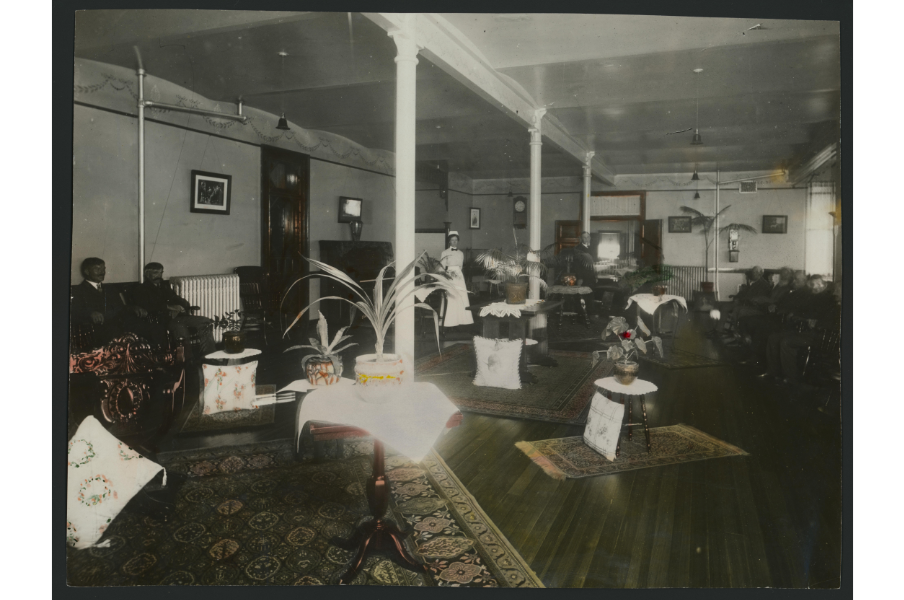
In 1904, an amusement hall was constructed to host dances and entertainment events for the patients.
Mentally ill patients actively participated in the facility's daily operations. They worked in the fields harvesting crops, milked cows twice a day, and prepared meals for the entire establishment.
During the 1950s and 1960s, Ingleside Hospital became a hub of celebration on the Fourth of July. The hospital organized firework shows for the residents and the city of Hastings to enjoy, followed by a dance and live music.

The Unnamed
1,400 former residents of the Hastings Regional Center now rest at Ingleside Cemetery. While the cemetery has been located there since1895, no burials were recorded before 1909, and the final one occurring in 1959. The graves were marked with numbers instead of names, leaving the cemetery without any markers bearing personal identities. Recently a lawsuit was placed by the Adams County Historical Society against the state to release the names and patient numbers of those buried there. This information is now available on their website to give those once forgotten a name again.
Population and Patient Care
In 1910, Denver Township in Adams County had a population of 1,729, compared to 1,360 in 1900 and just 756 in 1800 (Supplement for Nebraska, n.d.).
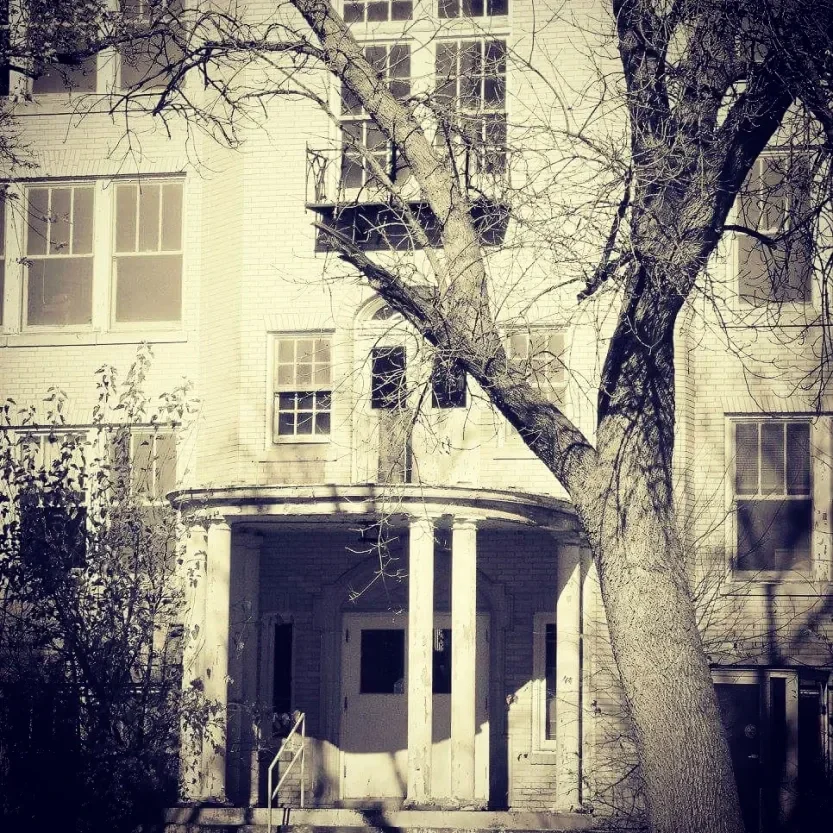
The hospital in Hastings started to take patients on August 1, 1889, this was for the cases that were deemed chronic after they received treatment in Lincoln and Norfolk's hospitals. The first patient, Melvin Meals, was assigned Patient Number One and remained at the facility until his passing in 1895. The number of patients being admitted quickly grew and by 1916, the hospital had admitted a total of 4,115 patients. Showing just how needed the hospital truly was.
Records show As of December 1916, the institution housed 1,152 individuals—405 women and 747 men.
The 1920s showed many changes in how mental illnesses were treated, Electroconvulsive therapy (ECT), which induced controlled seizures in patients, started being used early on in the Hastings hospital, making it possibly one of the first in the state to do so.
The 1930s and 1940s also saw additional treatments being used, such as fever therapy, hydrotherapy, and insulin shock therapy. A significant milestone occurred in the 1920s when a dentist was finally hired to address inmates' dental needs; before this, dental issues were largely ignored for the patients.
The most transformative advancement in mental health care came in the early 1950s with the introduction of psychiatric medications. This breakthrough allowed the hospital to unlock wards and focus on rehabilitating patients rather than merely housing them, in many instances for the rest of their lives. Over time, a variety of therapeutic services were introduced, including occupational therapy, industrial therapy, recreational therapy, religious counseling, vocational training, psychotherapy, reality therapy, transactional analysis, and behavior modification programs.
This gave the patients at hospitals such as this the chance at release, or at the very minimum more freedom to pursue their interests and assist with jobs around the hospital.
The Workers
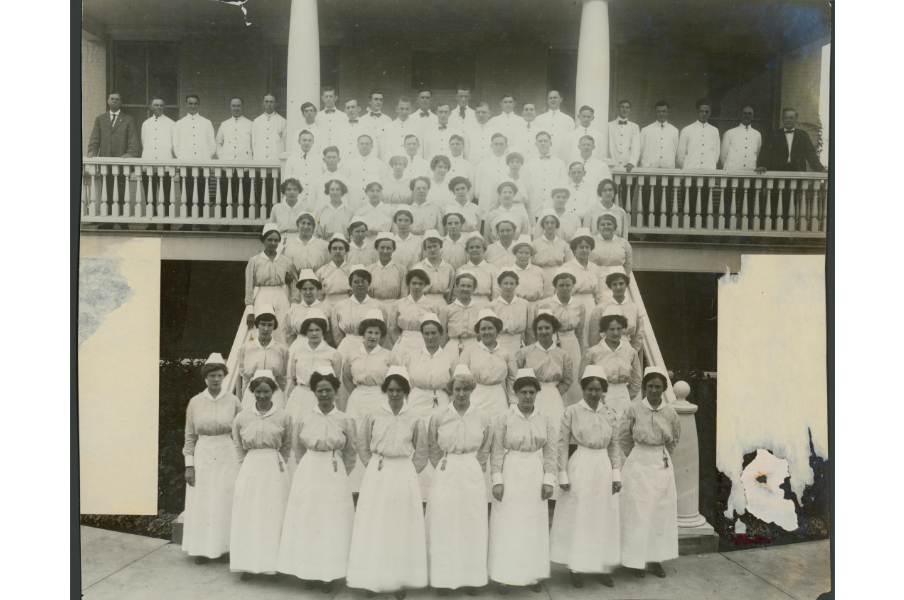
In the early days, patient care was largely custodial in nature. Patients were taught basic tasks such as making beds, sweeping floors, polishing furniture, and managing their own clothing. Regardless of the season, they retired to bed by 8:00 p.m. Ward attendants, who lived on-site, were responsible for the care of the patients. These attendants worked grueling hours, often up to 22 hours a day, with only half a day off each week. Their compensation included room and board, but they were required to remain single to hold the position. The staff comprised four supervisors—two men and two women—while the institution operated without graduate nurses, technicians, or a dedicated medical team, apart from the assistant superintendent. Support roles included a steward and bookkeeper, a farmer, a gardener, an engineer, and an assistant engineer.
A critical challenge faced by these institutions was the severe shortage of trained personnel. Recruiting reliable, physically capable men and women to work in asylums was a daunting task. Disobedience among staff was a frequent issue, especially from transient workers of questionable character who moved from one asylum to another, seeking temporary employment. Low salaries contributed to a high turnover rate, averaging nearly 40 percent annually. The lack of medical professionals was even more pronounced. Most physicians had little to no specialized training in diagnosing or treating mental illness, further compounding the challenges of providing adequate care.
Even in the 1950s, faculty members lived on campus in designated housing. The key difference was that they could now bring their families to live with them, creating a close-knit community. Over the years, generations of families found employment through the facility, weaving their lives into its history. One memorable story tells of two staff members from different departments who met, fell in love, and decided to get married during their lunch break. They went to the courthouse, tied the knot, and returned to finish their shifts. Their children grew up in faculty housing, and the connection to the facility continued. Two of their daughters, along with their spouses, later worked there, as did one of their grandsons—carrying on the family tradition.
Create Your Own Website With Webador